
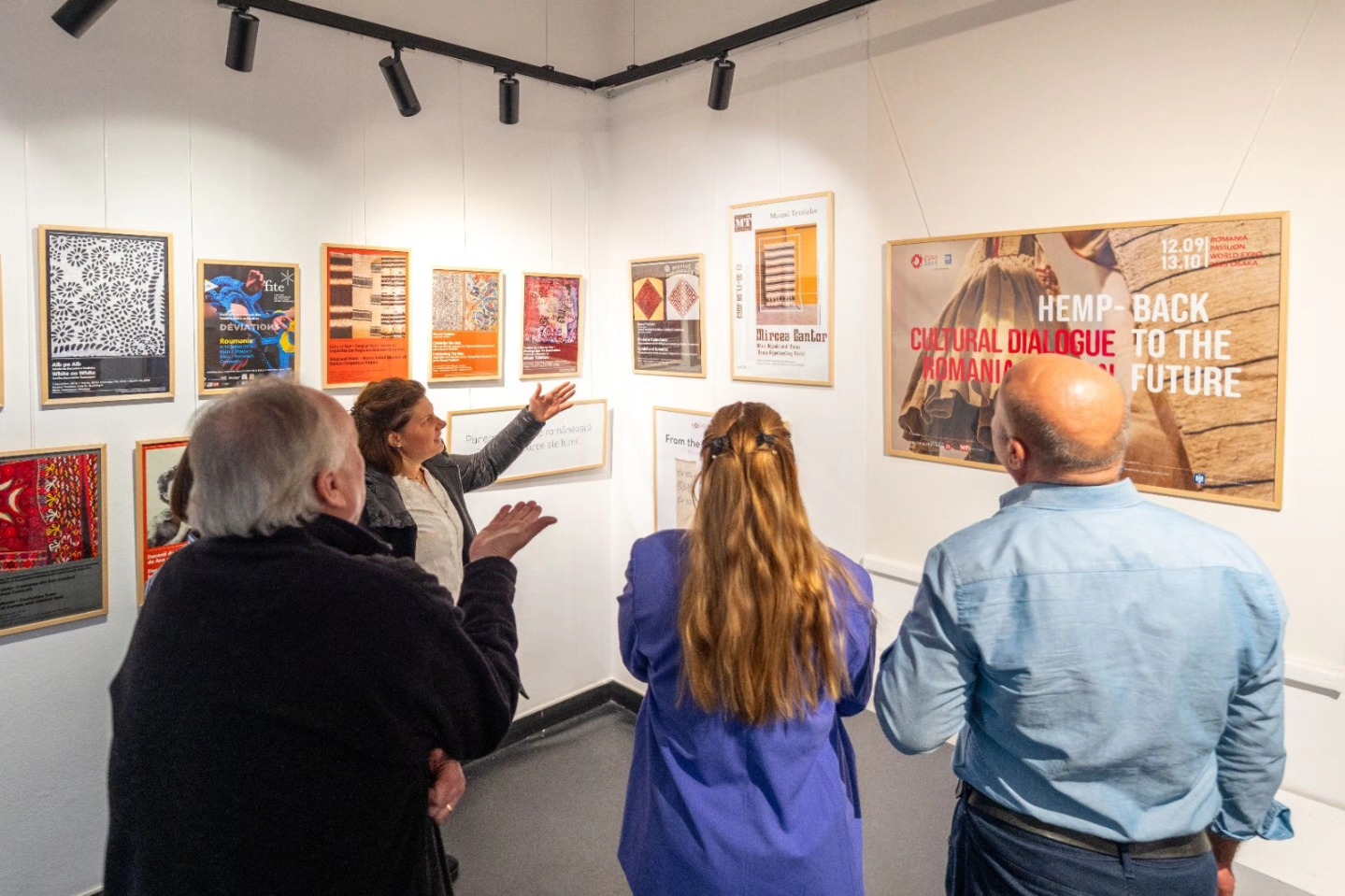
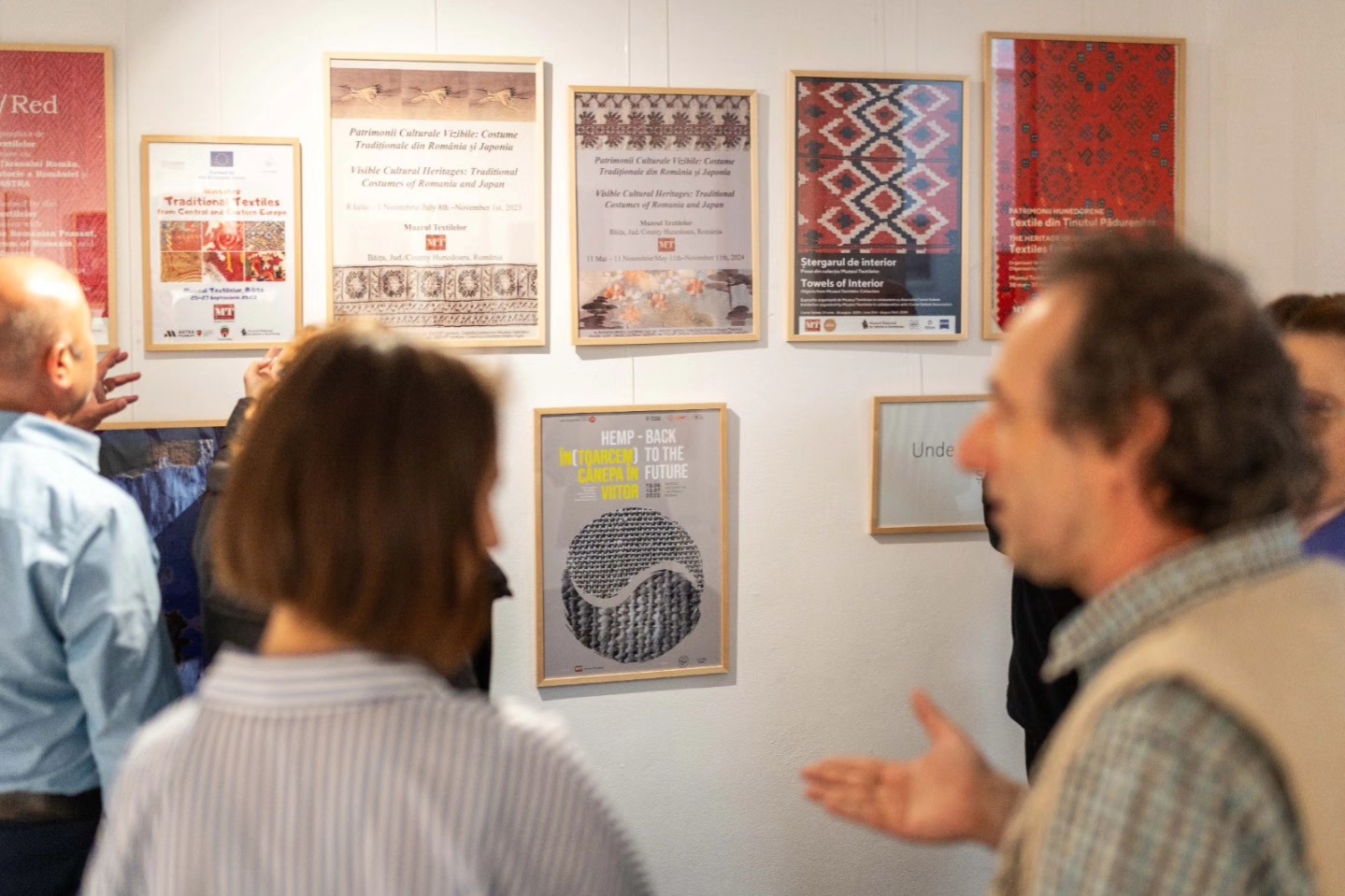
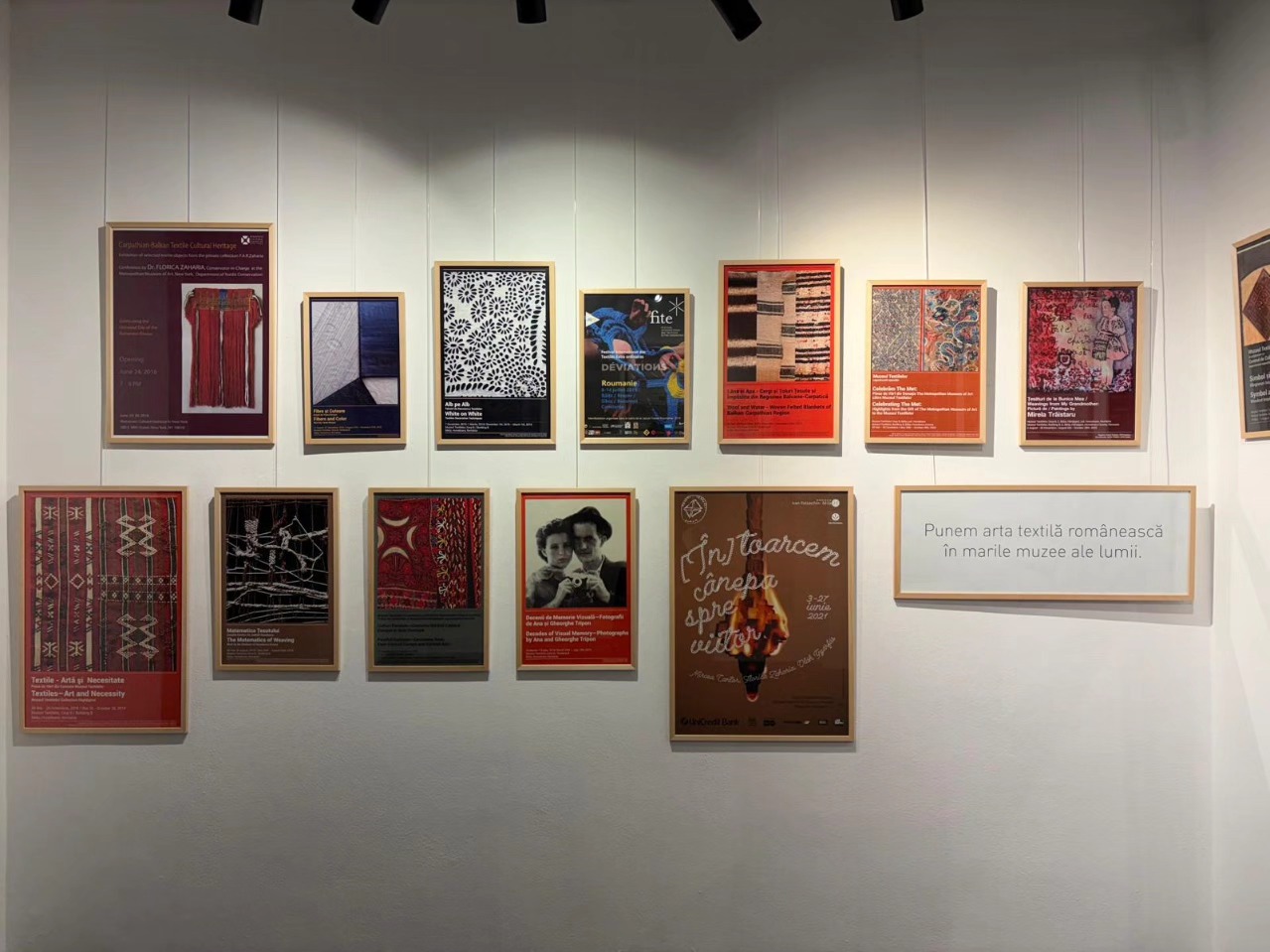
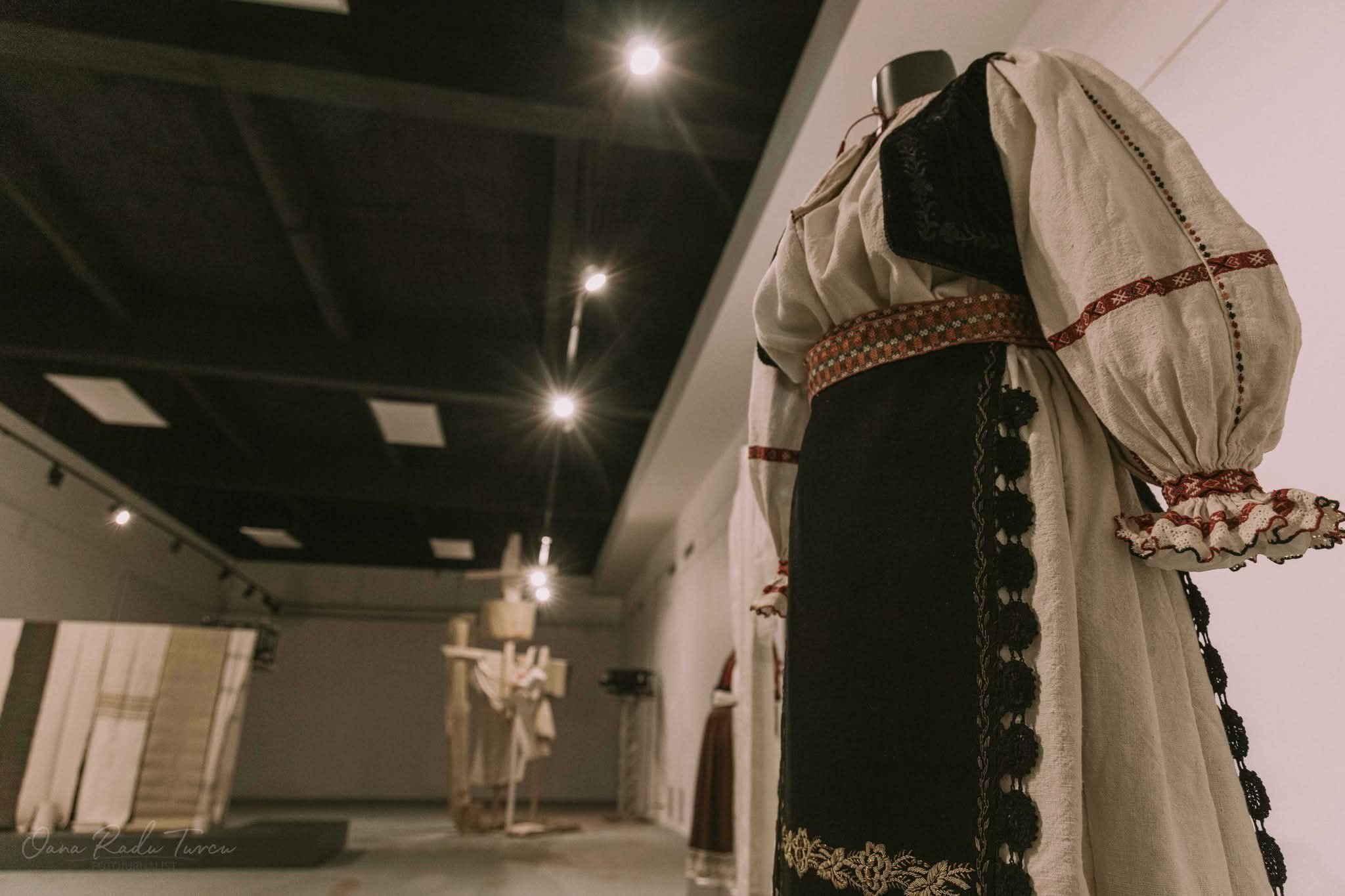
“Everything Connects” revives traditional textile culture as an art form and promotes the creative use of Romania’s rich textile heritage for the benefit of the present.
Curator Teodor Frolu
The “Everything Connects” exhibition launches the eponymous project, which aims to reconnect Romanian textile art with the universal textile heritage, expand cultural dialogue from the perspective of traditional identity in an international context, and harness Romanian textile heritage and rich know-how for the benefit of the present.
The project was initiated by the Romanian Textile Museum—home to the largest collection of comparative textile art and related objects in Eastern Europe—with the support of DC Communication, a communications agency and founder of the traditiicreative.ro platform.
The Textile Museum was founded by Dr. Florica Zaharia, Curator Emeritus of The Metropolitan Museum of Art, New York, one of the world’s most distinguished specialists in textile culture and heritage. For 28 years she worked at the renowned Met, spending 13 of those years leading the museum’s Textile Conservation Department. She was awarded the Order of Cultural Merit for her exceptional contribution to the promotion of Romanian culture, and founded the Textile Museum in 2017 in Băița, Hunedoara County, together with her family. The museum boasts a remarkable collection of over 14,000 textile heritage items from around the world, along with tools associated with traditional textile production, fibers, dyes, and a specialized library—one of the most extensive and systematically organized private collections in Europe.
The first lines of action: expanding and restoring the Textile Museum and transforming it into a multidisciplinary creative hub, expanding the education, research, and digitization areas, and developing national and international programs to intensify contemporary cultural dialogue through textile art.
The exhibition also documents two projects carried out in collaboration with CREART, in Bucharest and Japan.
The documentary art exhibition “În(toarcem) cânepa în viitor │ HEMP – Back to the Future,” organized by CREART – the Center for Creation, Art, and Tradition of the Municipality of Bucharest, in partnership with the Ivan Patzaichin – Mila 23 Association – took place in the Tancred Bănățeanu Hall of the National Museum of the Romanian Peasant from June 18 to July 12, 2025. The national phase of the project organized by CREART for the first time at the National Museum of the Romanian Peasant was followed by an international phase. Between September 12 and October 13, 2025, “Hemp – Back to the Future” was presented at the Romanian Pavilion at the OSAKA 2025 World Expo, in collaboration with the Ministry of Foreign Affairs and the Romanian Cultural Institute.
The exhibition explored a central theme of our time: the reactivation of traditional resources within the framework of sustainable innovation. At its core was hemp—a plant-material, a symbol, and a catalyst for regenerative practices—analyzed here as a living element of Romanian and Japanese rural heritage, as well as a vehicle for visionary design. The project built a bridge between historical research and artistic experimentation, between archival objects and contemporary installations. Traditional textile heritage was recontextualized through interdisciplinary contributions—design, visual art, ethnography—in a discourse on circularity, identity, and sustainable development for the future.
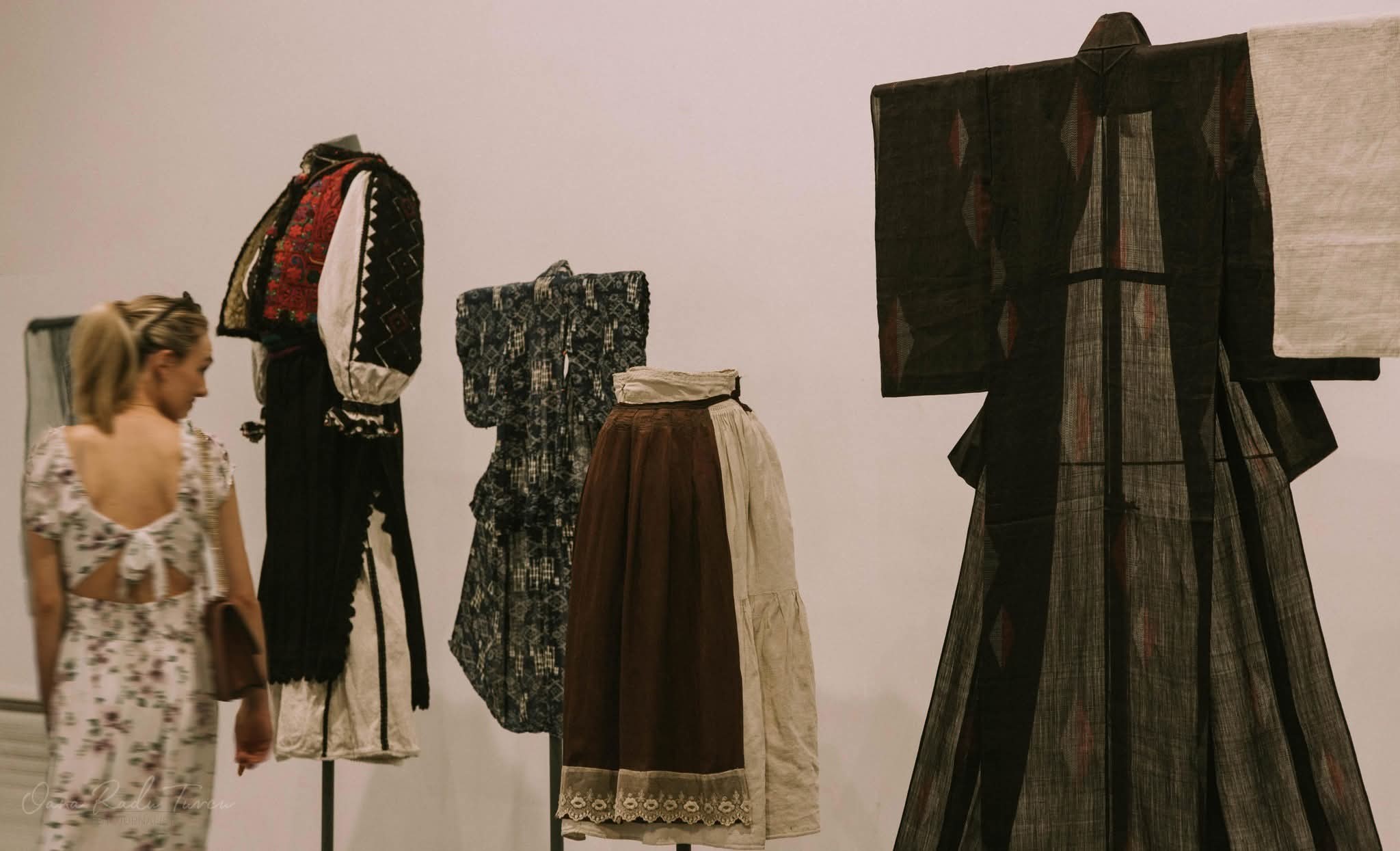
The exhibition layout at the National Museum of the Romanian Peasant brought together textile samples and objects, archival documents, art installations, applied research, and contemporary artistic interventions, including: the monumental textile work by Oláh Gyárfás, the visual interpretations by Dilmana Yordanova and Dan Vezentan, and Mircea Cantor’s “Spindle with Bells”—an object with continuity, taken from the art exhibition dedicated to hemp (NMRP, 2021), conceived by the Ivan Patzaichin – Mila 23 Association. On June 24, as part of the exhibition “HEMP – Back to the Future” a special event dedicated to the Universal Romanian Blouse Day was organized, celebrating the traditional Romanian Blouse as a symbol of identity, an expression of craftsmanship, and part of living cultural heritage. The program included a presentation by Dr. Florica Zaharia on the cultural heritage value of the Romanian Blouse and a guided tour of the exhibition with curator Teodor Frolu, who contextualized the Romanian Blouse within the relationship between Romania and Japan, as well as between tradition, contemporary design, and sustainability. Additionally, on July 4 and July 9, from 4:00 PM to 6:00 PM, 30-minute guided tours took place, during which stories were shared about traditional fibers and tools, contemporary clothing creations from the PATZAIKIN collection, and heritage pieces presented by the Textile Museum, alongside the connections between tradition, design, and sustainability within the context of the Romania–Japan intercultural dialogue. The project partners were the PATZAIKIN brand, the CANEPARO cluster, and the Textile Museum – International Center for Textile Research. The event received support from the National Museum of the Romanian Peasant and ICOM – the International Council of Museums.
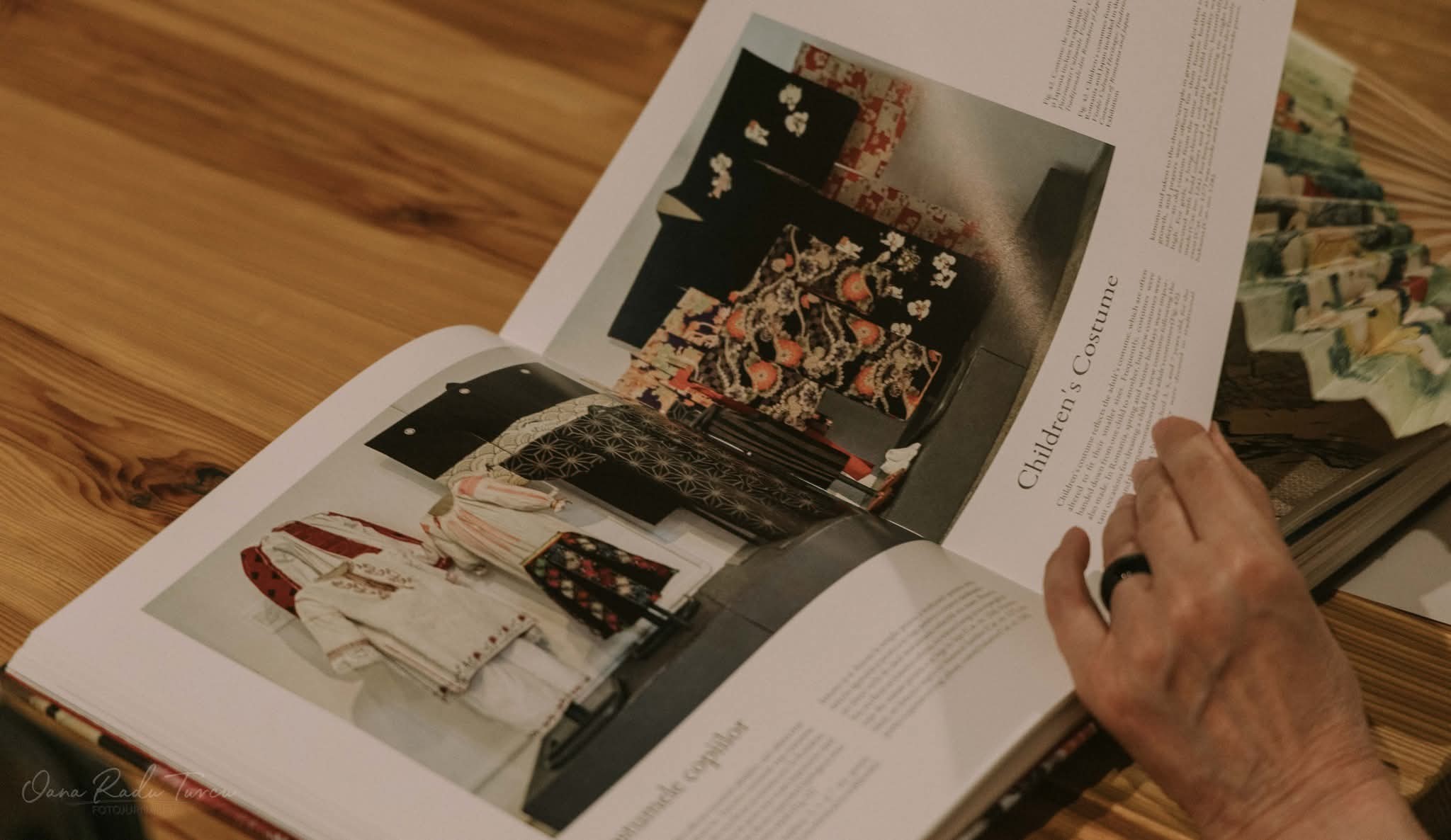
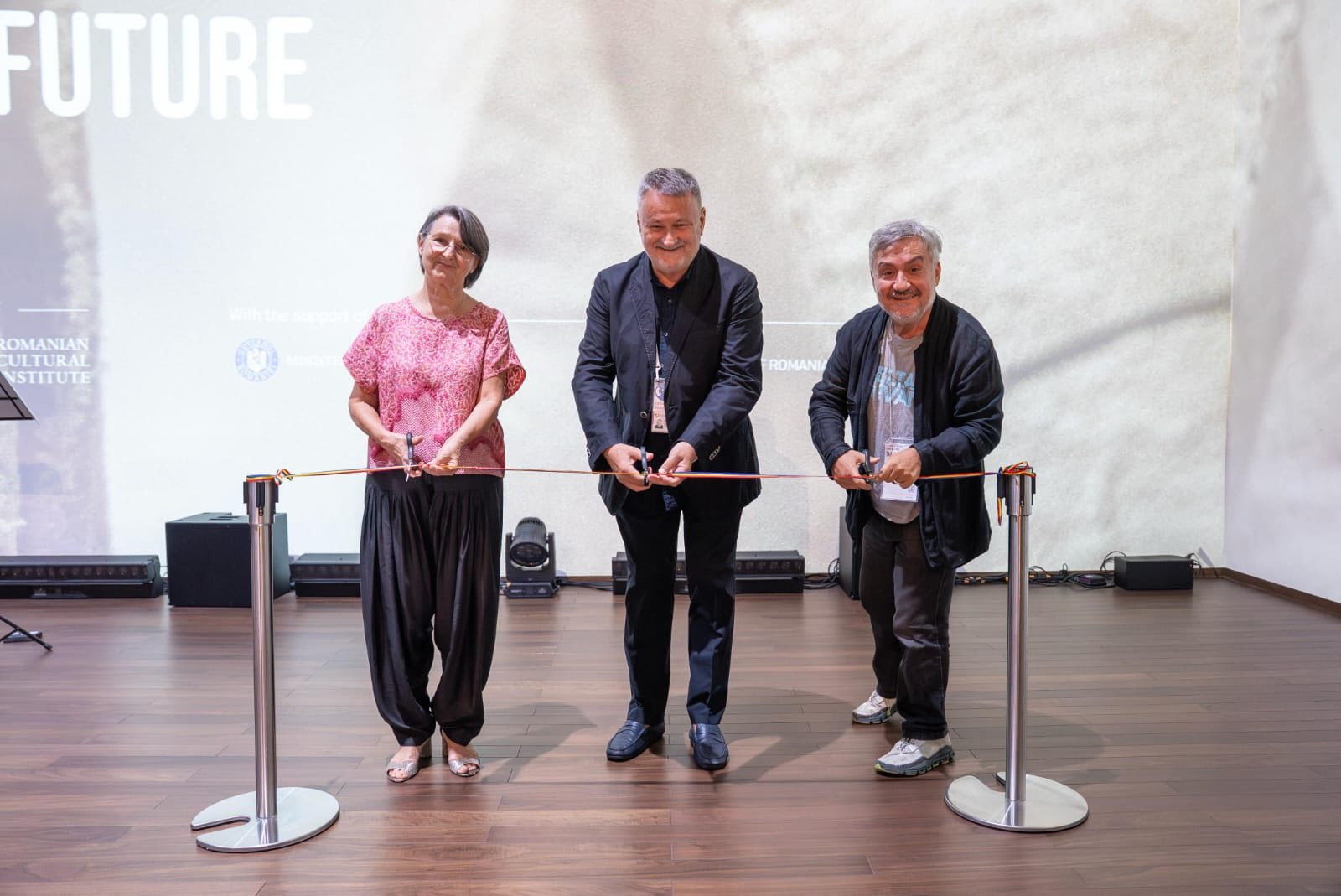
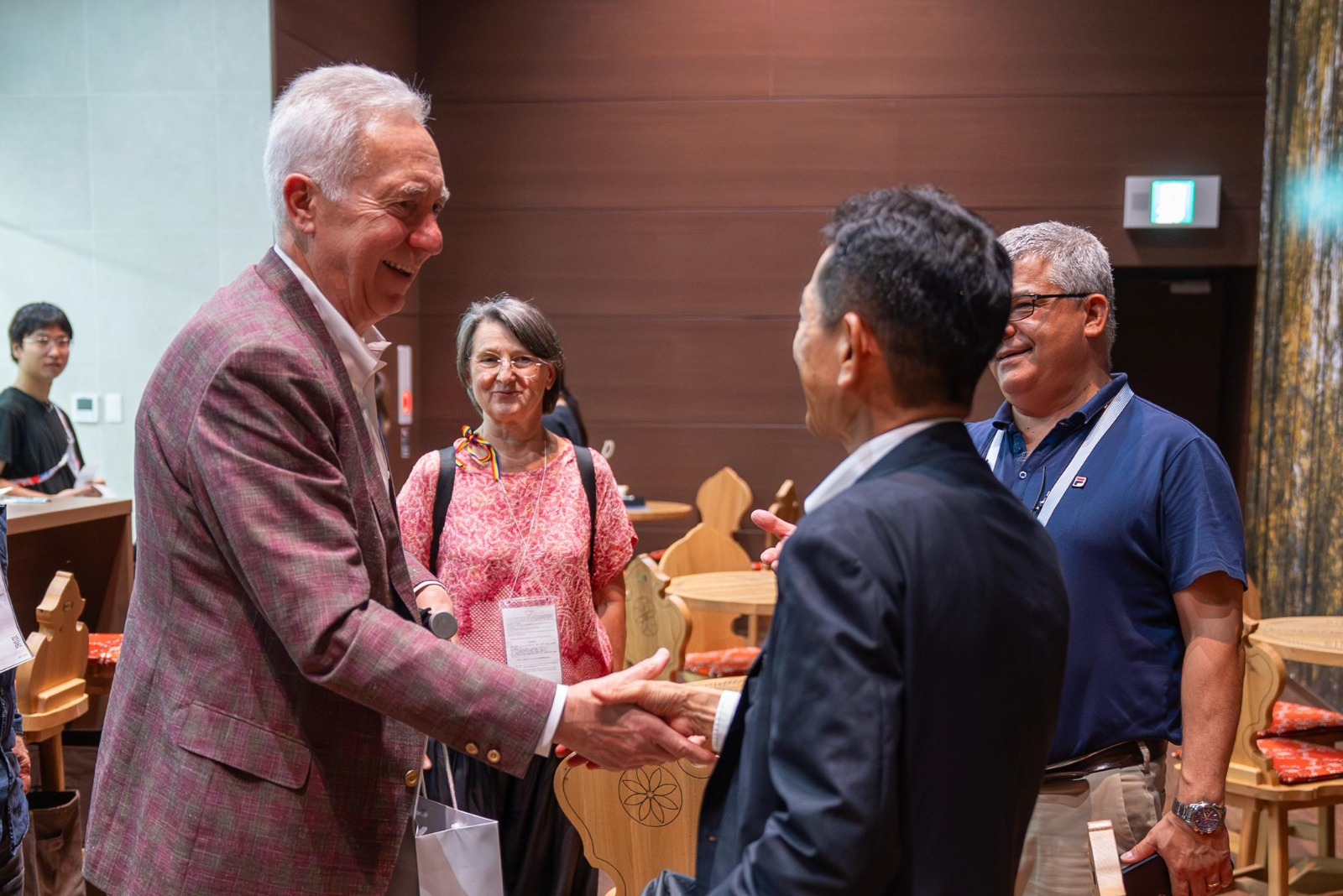
The scientific contribution of Dr. Florica Zaharia, Curator Emerita of The Metropolitan Museum of Art, Director and Co-founder of the Textile Museum in Băița, underpinned the initiative through rigorous documentation of the tangible and intangible heritage of hemp in Romania and Japan, extending to its contemporary applications. Hemp has been an active element of Romanian and Japanese rural heritage in international cultural exchanges. The project offered the public an experience of intercultural dialogue through the exhibition of Romanian and Japanese heritage pieces, contemporary art installations, and a research album on the theme of traditional costumes from Romania and Japan, authored by Dr. Florica Zaharia and Midori Sato. The opening ceremony brought together representatives of the Bureau International des Expositions (BIE), national and international cultural institutions, and officials from other pavilions. Mr. Ferdinand Nagy, General Commissioner of the Romanian Pavilion, marked the opening alongside Dr. Florica Zaharia, curator emerita at the Metropolitan Museum of Art and director of the Textile Museum in Băița, and architect Teodor Frolu, the exhibition’s curator and co-founder of the Ivan Patzaichin – Mila 23 Association.
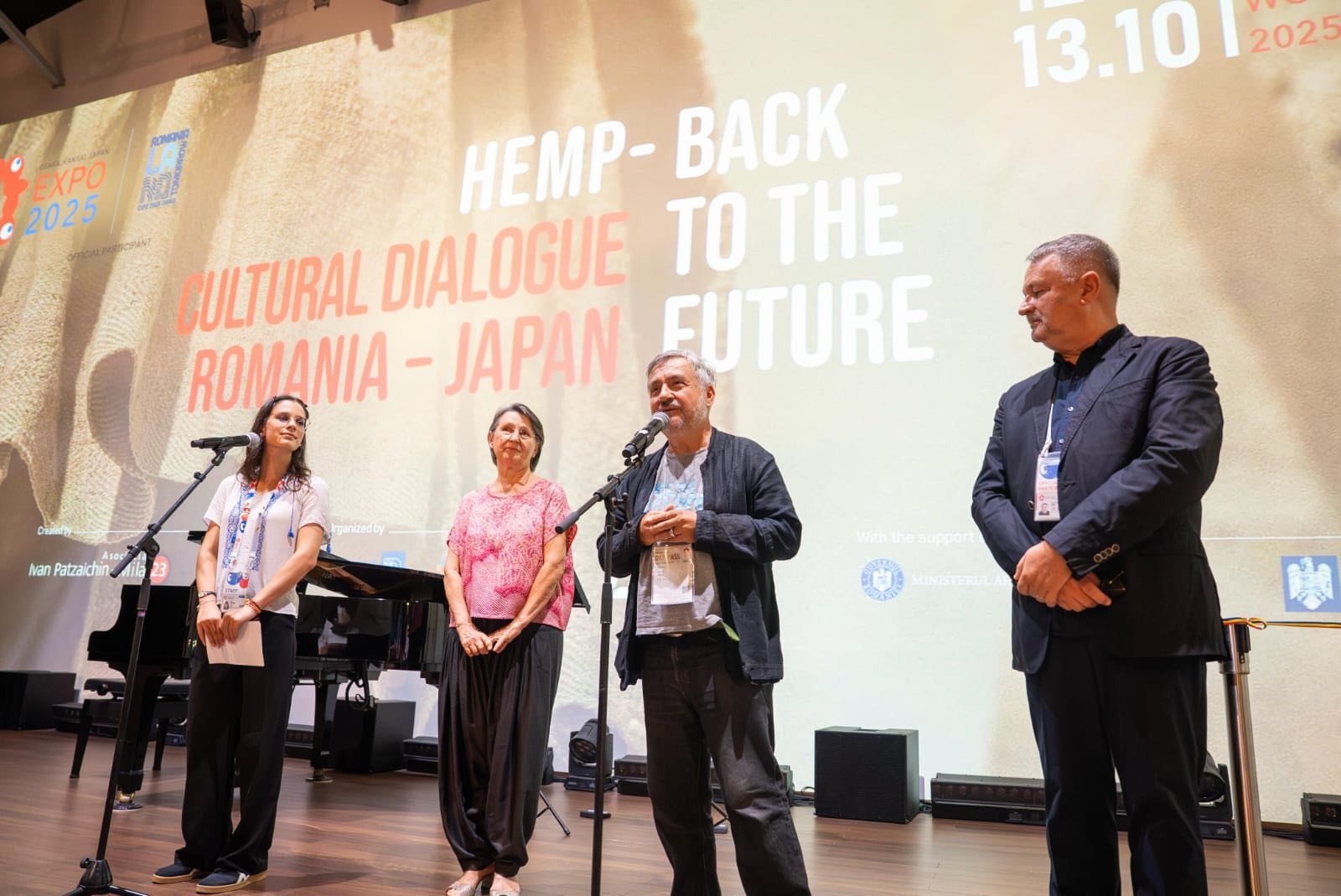
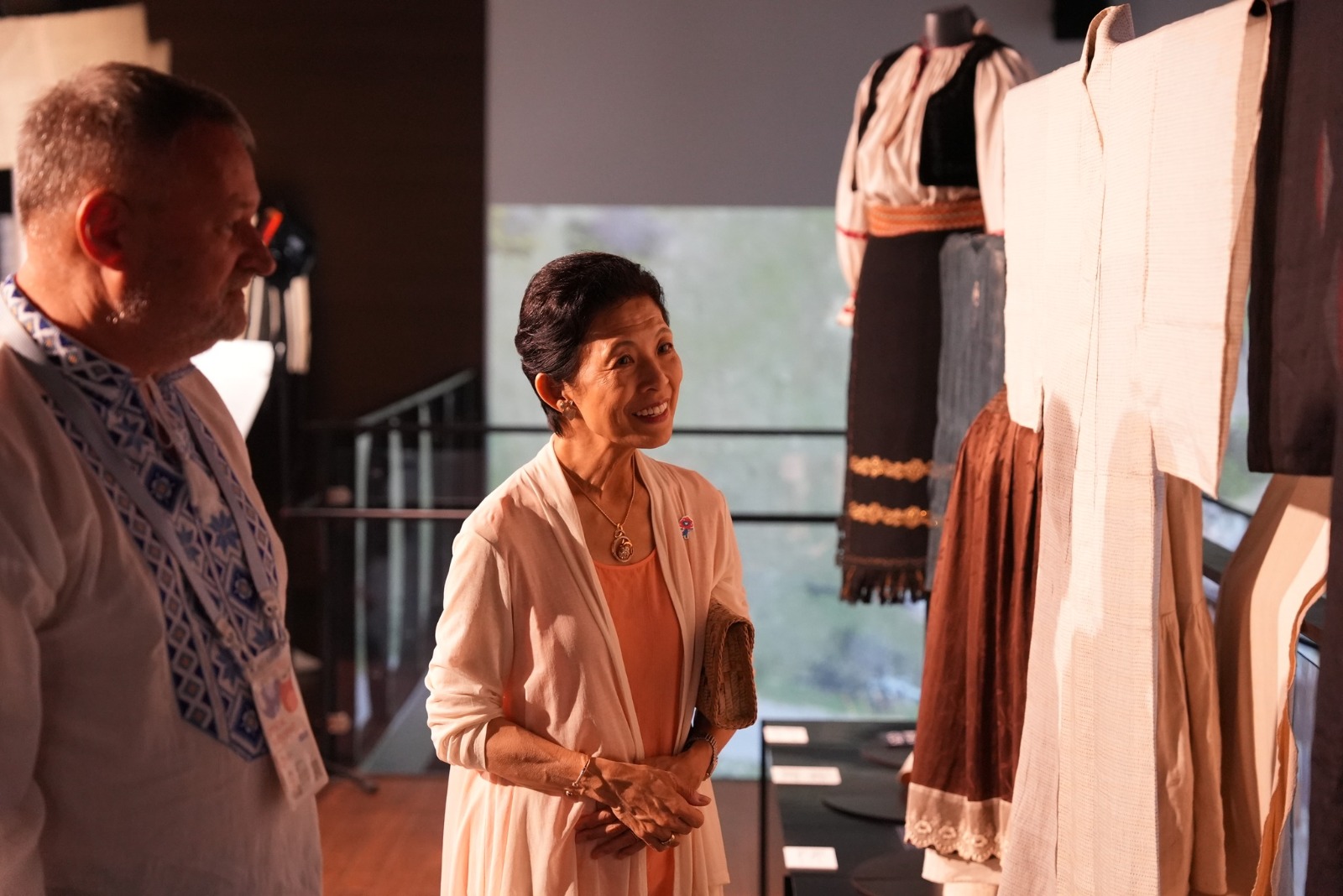
The opening was followed by a Romania–Japan Cultural Dialogue, featuring presentations by Dr. Florica Zaharia, Yuko Fukatsu, architect Teodor Frolu, and Romulus-Nicolae Zaharia. Also in attendance were Yoshiyuki Akahoshi (researcher, Nihon University) and Junichi Takayasu (Japan Taima-Cannabis Museum). Her Imperial Highness Princess Takamado of Japan also visited the exhibition.